

Environmental remediation services play a vital role in restoring contaminated land, water, and air to safer conditions. These services are designed to address pollution caused by industrial activities, waste disposal, chemical leaks, and other environmental hazards. By applying scientific methods and advanced technologies, remediation experts work to reduce harmful impacts on ecosystems and human health. The goal is to create cleaner, safer, and more sustainable environments for current and future generations.
Key Objectives of Environmental Remediation
Environmental remediation focuses on identifying contamination sources and implementing strategies to eliminate or control them. It ensures that polluted sites are treated effectively so they no longer pose risks to living organisms. This process often involves soil cleaning, water purification, and air quality improvement measures that restore ecological balance.
Core Benefits of Remediation Services
- Reduces environmental pollution by removing harmful substances from soil and water systems.
- Protects public health by minimizing exposure to toxic materials and contaminants.
- Restores natural ecosystems and promotes biodiversity recovery over time.
- Enhances land usability for agriculture, construction, and community development.
- Supports sustainable development goals through long-term environmental protection.
Communities benefit from environmental remedies san Francisco environmental programs.
Advanced Techniques Used in Remediation
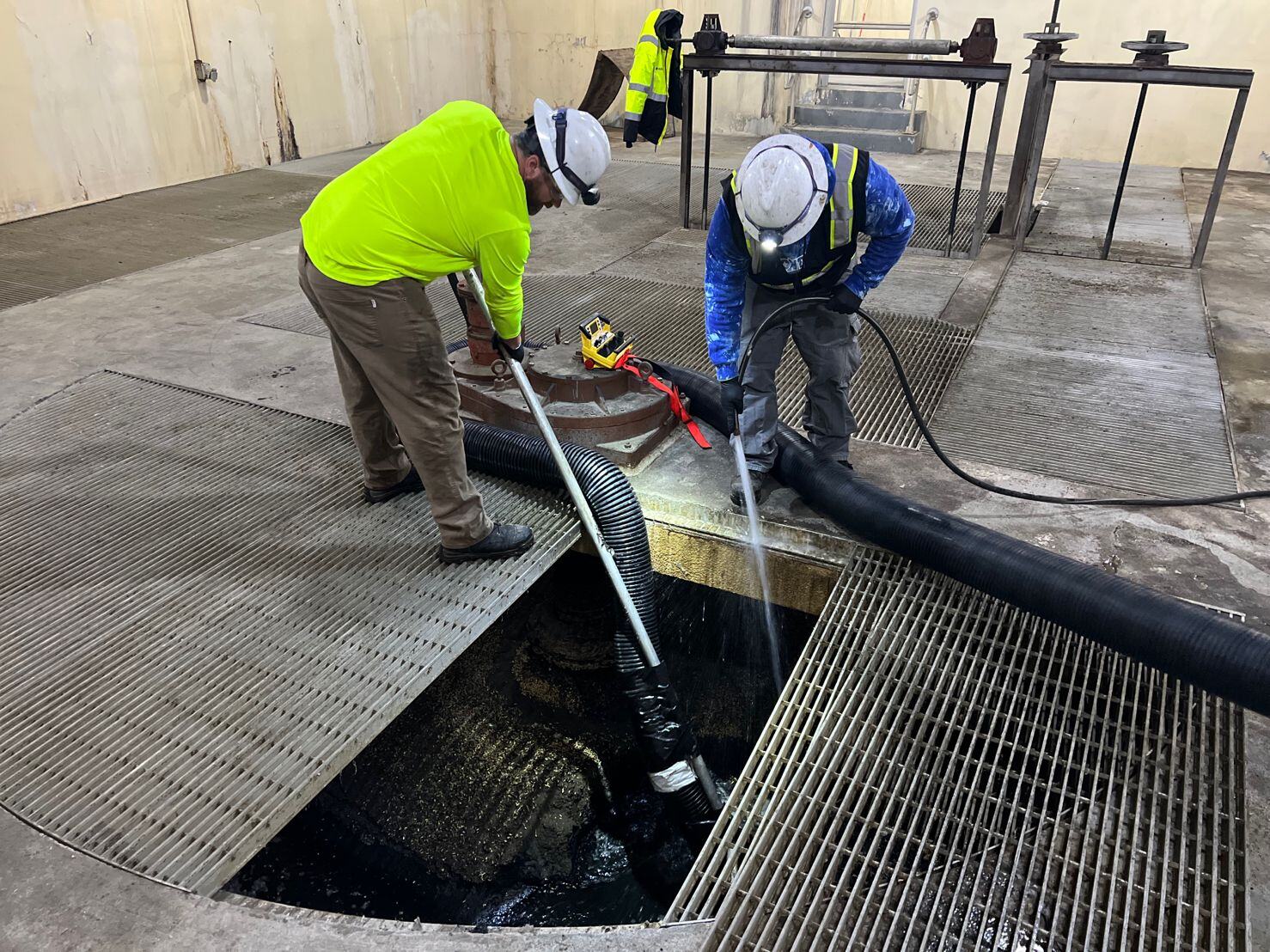
Modern environmental remediation uses innovative technologies such as bioremediation, soil washing, and chemical treatment to address complex contamination challenges. These techniques are carefully selected based on site conditions and pollution levels. Experts analyze environmental data to design effective cleanup strategies that ensure long-term sustainability and safety.
Positive Environmental and Economic Impact
- Creates healthier environments that improve quality of life for communities.
- Reduces long-term environmental restoration costs through preventive action.
- Encourages responsible resource management and environmental awareness.
- Strengthens resilience against future environmental hazards and pollution risks.
- Supports green infrastructure development and sustainable urban planning.
Environmental remediation services are essential for maintaining ecological balance and ensuring a safer planet. By addressing contamination at its source, these services help restore natural systems that support life. The integration of advanced science, technology, and environmental expertise allows for efficient cleanup operations that benefit both nature and society. As awareness of environmental protection continues to grow, remediation practices are becoming increasingly important in supporting global sustainability efforts. These services not only repair damaged ecosystems but also prevent further degradation by promoting responsible environmental behavior. Communities, industries, and governments all benefit from cleaner environments, improved health outcomes, and enhanced economic opportunities. In the long run, environmental remediation contributes to a healthier planet where natural resources are preserved and future generations can thrive in a safe and balanced ecosystem.
By combining preventive strategies with restorative techniques, environmental remediation continues to evolve as a cornerstone of sustainable environmental management worldwide. It plays a crucial role in ensuring that economic development and environmental protection work together in harmony. With continued innovation and commitment, remediation efforts will further enhance global environmental resilience. Ultimately, these services contribute to a cleaner, safer, and more sustainable future for all living beings.